
Understanding the psychological triggers that influence gambling behaviors
The Allure of Risk and Reward
The psychology behind gambling is deeply rooted in the allure of risk and reward. Players often find themselves drawn to the potential for large payoffs, which can create a dopamine rush. This chemical reaction in the brain reinforces the desire to keep gambling, leading to a cycle of risk-taking behavior. For many, the thrill of potentially winning can often outweigh the reality of losses, creating a compelling narrative that encourages continued participation, especially when utilizing platforms like Heaps o Wins Casino.
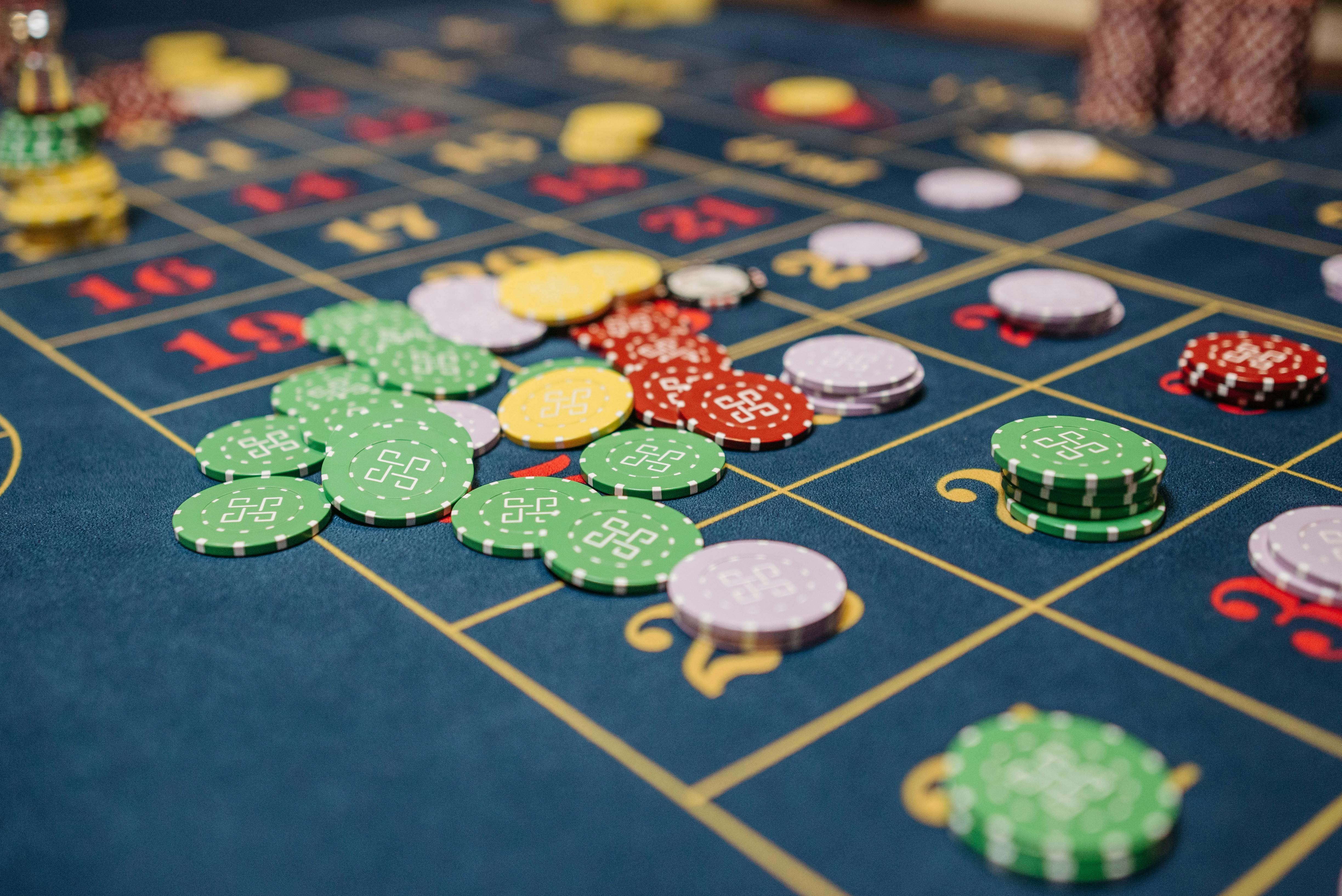
Additionally, the unpredictability of outcomes plays a significant role in maintaining engagement. Gamblers are often more motivated by the idea of a “big win” rather than the frequent small losses that characterize gambling activities. This phenomenon, known as intermittent reinforcement, means that the occasional win can lead to an extended period of gambling, as individuals chase the high of the next potential payout. The excitement generated by this uncertainty can overshadow rational decision-making.
Cognitive biases also contribute to how individuals perceive risk in gambling. For instance, the gambler’s fallacy—believing that past losses increase the chances of future wins—can lead to an irrational belief in “luck.” This can perpetuate gambling behavior as players think they are due for a win, which can complicate financial management. Recognizing these psychological triggers is crucial for developing healthier gambling habits.
The Role of Environment and Social Influence
The environment in which gambling takes place has a profound influence on behavior. Casinos are designed to be visually stimulating, with bright lights, engaging sounds, and a celebratory atmosphere that encourages prolonged participation. This environment can desensitize players to losses and amplify the excitement of wins, making it easier for individuals to lose track of their spending. Understanding how environmental factors can manipulate behavior is essential for responsible gambling.
Moreover, social influence plays a critical role in gambling behaviors. Friends, family, and societal norms can shape one’s perception of gambling. If an individual is surrounded by peers who view gambling as a fun and acceptable pastime, they may be more likely to engage in it without critically assessing their own motivations or financial limits. The need for social acceptance can overshadow individual awareness of the risks involved, leading to impulsive decisions.
Group dynamics can also affect betting behavior. In social gambling situations, the presence of others can create a sense of camaraderie, leading to increased wagering. This social aspect can enhance the overall experience, but it can also push individuals to gamble beyond their means, as they may feel pressured to keep up with their peers. Acknowledging these social influences is vital for understanding personal gambling habits and establishing boundaries.
Emotional Drivers Behind Gambling
Emotions play a pivotal role in shaping gambling behaviors. Many individuals turn to gambling as an escape mechanism, using it to cope with stress, anxiety, or feelings of inadequacy. The thrill of placing a bet can temporarily alleviate negative emotions, providing a momentary sense of control and excitement. However, this can lead to a cycle where gambling becomes a primary coping strategy, further entrenching individuals in their behaviors.
Additionally, emotional highs and lows can significantly influence gambling decisions. For example, feelings of euphoria following a win may lead individuals to take more risks, while losses can prompt attempts to “chase” those losses through further gambling. This emotional rollercoaster can cloud judgment and rational decision-making, causing individuals to overlook their financial situations in favor of chasing fleeting feelings of joy.
Understanding the emotional triggers that lead to gambling can help individuals develop healthier coping mechanisms. Instead of relying on gambling for emotional regulation, individuals can explore alternative activities or practices, such as exercise or mindfulness, that provide emotional support without the risks associated with gambling. Recognizing these patterns is crucial for fostering healthier relationships with gambling.
The Impact of Cognitive Distortions
Cognitive distortions are irrational thought patterns that can affect decision-making in gambling. Many gamblers fall prey to these distortions, which often reinforce continued play. For example, the illusion of control, where players believe they can influence the outcome of games based purely on chance, can lead them to place more bets than they should. This can result in significant financial consequences, as individuals bet based on false premises.
Another common cognitive distortion is the tendency to focus on past wins while ignoring losses. Gamblers may remember their victories vividly but forget about the cumulative impact of their losses. This selective memory can create an unrealistic view of their gambling experience, leading to repeated betting behavior. Addressing these cognitive distortions is crucial for helping individuals understand the true nature of gambling and the associated risks.
Challenging these distortions requires self-awareness and education. By understanding how cognitive biases work, gamblers can learn to approach betting with a more rational mindset. This can lead to more responsible financial management and healthier gambling habits. Awareness is the first step in breaking the cycle of cognitive distortions and making informed decisions.
Gambling at Heaps O Wins Casino
Heaps O Wins Casino offers a dynamic online gaming experience that caters to the diverse preferences of players. Featuring a broad selection of high-quality games, including popular pokies and live casino options, the platform engages players while providing an entertaining environment. However, understanding the psychological triggers influencing gambling behavior remains essential, even in this enjoyable context.
Players at Heaps O Wins Casino benefit from attractive promotions, such as a 280% match bonus and 50 free spins, which can enhance their gaming experience. While these promotions can make playing more enjoyable, they also highlight the importance of responsible gambling. Acknowledging the psychological aspects of gambling can help players manage their finances more effectively, ensuring that their gaming remains a fun and controlled activity.
Ultimately, being informed about the psychological triggers that influence gambling behaviors empowers players to make educated choices. Heaps O Wins Casino is committed to providing a secure and enjoyable gaming environment, ensuring that players can focus on their gaming journey while remaining mindful of their financial management strategies.
