
Understanding the psychology behind why we gamble A deep dive into motivation and behavior
The Intrinsic Motivations of Gambling
Understanding why individuals are drawn to gambling involves delving into intrinsic motivations that drive behavior. Many gamblers seek excitement and a thrill that comes from the risk of losing or winning. The anticipation of possible rewards triggers the brain’s reward center, creating a rush that is both exhilarating and addictive. This sensation becomes a powerful motivating factor, encouraging individuals to participate in gambling activities repeatedly. If you’re interested in exploring more about such platforms, you can visit https://elite-spin.org.uk/ for detailed information.

Additionally, for many, gambling serves as an escape from the mundane or stressful aspects of daily life. The excitement of placing a bet or spinning a slot machine provides a temporary reprieve from reality, allowing players to immerse themselves in a different world. This escapism can be particularly appealing during difficult times, leading individuals to gamble in search of relief or distraction from their problems.
Moreover, social interactions found within gambling environments often enhance the experience. Gamblers can bond with friends or even strangers over a shared interest, fostering a sense of belonging and community. These social aspects can amplify the pleasure derived from gambling, making it not just an individual activity but a communal one as well.
The Role of Cognitive Biases in Gambling
Cognitive biases significantly influence gambling behavior, often leading individuals to make irrational decisions. One common bias is the illusion of control, where gamblers believe they have more influence over outcomes than they truly do. This mindset can lead to risky betting behaviors, as individuals think their choices will lead to winning results. For instance, a player might believe that choosing specific numbers or strategies will enhance their chances, despite the inherent randomness of many games.
The gambler’s fallacy is another cognitive bias that affects behavior. This bias leads individuals to assume that past events influence future outcomes, which is particularly evident in games of chance like roulette. A player might believe that if a particular number hasn’t come up in several spins, it’s “due” to appear. This flawed reasoning can encourage continued gambling even in the face of mounting losses.
Additionally, confirmation bias plays a role in reinforcing gambling habits. Gamblers often remember their wins more vividly than their losses, creating a skewed perception of their gambling success. This selective memory can fuel the belief that they are lucky or skilled, which further perpetuates their gambling behavior, despite the long-term odds being against them.
The Emotional Factors Behind Gambling Behavior
Emotions play a crucial role in the decision to gamble, often driving individuals to take risks they might otherwise avoid. The thrill of winning can create euphoric feelings, while the fear of loss might push someone to gamble more in an attempt to recover losses. This emotional rollercoaster can lead to a compulsive cycle of gambling, where the highs and lows become intensely intertwined with a gambler’s psychological state.
Furthermore, anxiety and depression can also lead individuals to gambling as a coping mechanism. The temporary highs from gambling can provide relief from negative emotions, making it an attractive option for those feeling overwhelmed. Unfortunately, this can create a destructive loop, where individuals find themselves gambling more as a way to manage their emotional turmoil, leading to potential financial and personal distress.
The concept of FOMO, or the fear of missing out, is another emotional factor that drives gambling behavior. Many individuals feel compelled to participate in gambling events, especially when they perceive others around them winning or enjoying the experience. This social pressure can lead to impulsive decisions, causing individuals to gamble even when it may not align with their personal values or financial situations.
The Impact of Environment on Gambling Behavior
The environment where gambling takes place can significantly influence a person’s decision to gamble. Casinos and online platforms are designed to maximize engagement and encourage participation. Bright lights, loud noises, and celebratory atmospheres create a sensory experience that heightens excitement and compels individuals to spend more time and money. This immersive environment can lead players to lose track of time and money spent, perpetuating their gambling behavior.
Moreover, accessibility plays a vital role in gambling habits. With the rise of online gambling platforms, individuals can easily gamble from the comfort of their own homes. This convenience can lead to increased frequency of play, as there are fewer barriers to entry compared to traditional brick-and-mortar casinos. The anonymity of online gambling can also lead to riskier behavior, as players may feel less accountable for their actions when they are not physically present in a casino setting.
Finally, the social environment around gambling can also affect behavior. Friends, family, and societal norms influence individual decisions to gamble. For instance, if someone is part of a social circle that frequently gambles, they may feel pressured to join in, even if they are hesitant. This social dynamic can normalize gambling, making it a standard form of entertainment, further entrenching individuals in their gambling behaviors.
Exploring Gaming Platforms and Their Appeal
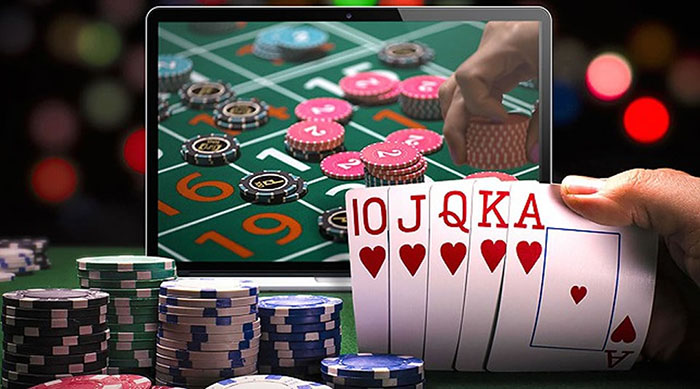
Online gaming platforms have transformed the landscape of gambling, catering to a wide range of players. EliteSpin Casino, for example, offers a vast selection of games that appeal to different tastes and preferences, providing an exciting environment for both new and seasoned players. With engaging user interfaces and intuitive mobile access, these platforms ensure that gaming experiences are seamless and enjoyable, attracting a diverse audience.
The availability of bonuses and promotions further enhances the appeal of online casinos. For instance, new users often receive generous welcome packs and free spins, creating a sense of excitement and motivation to explore various games. This not only encourages new sign-ups but also keeps existing players returning for more, contributing to a robust gaming community.
Lastly, the convenience of 24/7 support and regular promotions plays a pivotal role in maintaining player engagement. Users can enjoy a dynamic gaming experience at any time, and having access to immediate assistance creates a sense of security. This nurturing environment fosters loyalty and encourages players to immerse themselves in the gaming experience, making online platforms like EliteSpin an attractive option for those seeking both entertainment and potential rewards.
